
Flea and Tick Prevention for Dogs: A Complete UK Guide
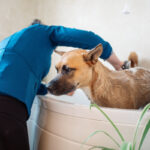
For dog owners in the UK, ensuring the health and happiness of your furry companion is a top priority. Among the many responsibilities of dog care, flea and tick prevention for dogs is one of the most important. These parasites can harm your dog’s wellbeing — and yours — causing discomfort and potentially transmitting disease. Fortunately, with the right knowledge and products, you can protect your pooch and keep pesky invaders at bay.
Understanding Fleas and Ticks
Fleas and ticks are common parasitic pests that feed on dogs and can also affect humans. Fleas can lead to skin irritation and allergies, while ticks can transmit serious diseases such as Lyme disease and babesiosis. Recognising the signs of fleas and ticks on dogs early can help prevent more severe health issues. For more on tick-borne illness risk in the UK, see the UK Health Security Agency’s tick surveillance guidance.
Signs of Flea and Tick Infestations
– Frequent Scratching or Biting: Dogs may scratch or bite at their skin where fleas have bitten them or where a tick has attached.
– Red or Inflamed Skin: Areas of inflammation can indicate a flea or tick bite.
– Visible Fleas or Ticks: Fleas may be seen jumping through your dog’s coat, while ticks often feel like small lumps under the skin.
– Flea Dirt: Flea excrement appears as tiny black specks, similar to ground pepper.
Prevention Strategies
Prevention is always better than cure when it comes to fleas and ticks. A few strategic habits can significantly reduce the chances of your dog picking up these pests.
Regular Grooming
Routine grooming not only maintains your dog’s coat but also gives you the chance to check for fleas and ticks. Use a fine-toothed flea comb to work through your dog’s fur thoroughly. Removing tangles and keeping the coat tidy makes it harder for fleas to hide.
Use Preventative Products
A range of topical treatments, collars and oral medications can provide effective flea and tick prevention for dogs. Always choose products suited to your dog’s size and breed, and consult your vet for tailored recommendations — the PDSA’s guide to fleas in dogs.
Maintain a Clean Environment
Keeping your home clean is vital, as fleas thrive in carpets, bedding and upholstery. Wash your dog’s bedding regularly and vacuum thoroughly, paying close attention to areas where your dog spends the most time.
Dietary Considerations
Your dog’s diet can also affect their susceptibility to fleas and ticks. A healthy diet supports a robust immune system, which helps ward off infestations.
Flea and Tick Treatment Methods
If you discover fleas or ticks on your dog, acting quickly minimises discomfort and prevents further complications.
Flea Treatment
– Bathing: Use a specially formulated flea shampoo to wash your dog. This removes existing fleas and soothes irritated skin.
– Topical Treatments: After bathing, apply a vet-recommended topical flea treatment. Most products need reapplying monthly for ongoing protection.
– Flea Combs: Regular combing helps remove fleas and their eggs from your dog’s fur.
How to Remove a Tick from a Dog
Ticks should be removed carefully so the entire tick is extracted without leaving mouthparts embedded in the skin. Use fine-tipped tweezers or a dedicated tick-removal tool. Grasp the tick as close to your dog’s skin as possible and pull straight out, without twisting. Clean the bite area with antiseptic afterwards. The Blue Cross tick removal guide has useful step-by-step illustrations if you’d like a visual reference.
Cleaning Infestation Areas
Beyond treating your dog directly, it’s essential to eliminate fleas and ticks from your home too. Launder pet bedding and frequently used fabrics, vacuum all surfaces including furniture, and consider flea sprays or powders to treat the wider home environment.
Conclusion
Preventing and treating flea and tick infestations requires a proactive approach combined with effective products. By staying consistent with grooming, using preventative treatments, and responding promptly to early signs of infestation, you can keep your dog healthy and happy year-round.
Taking these steps protects your beloved pet and helps ensure a more pleasant, pest-free home for the whole family.
Stay informed, stay proactive, and keep those tails wagging!
Very Important pets are here to help with all your pet care needs.

Join the conversation